


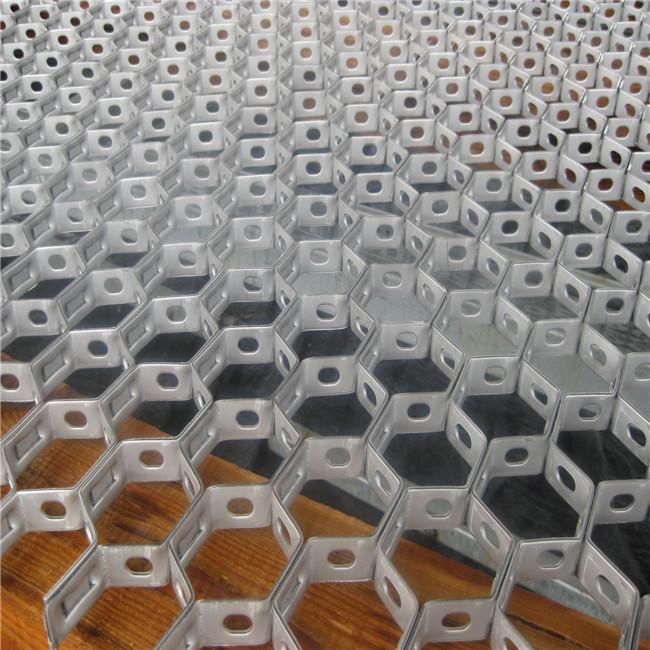
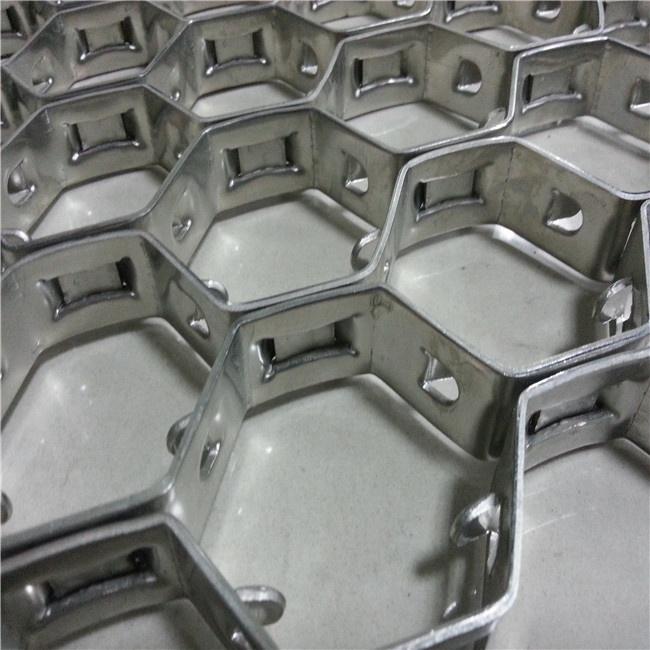
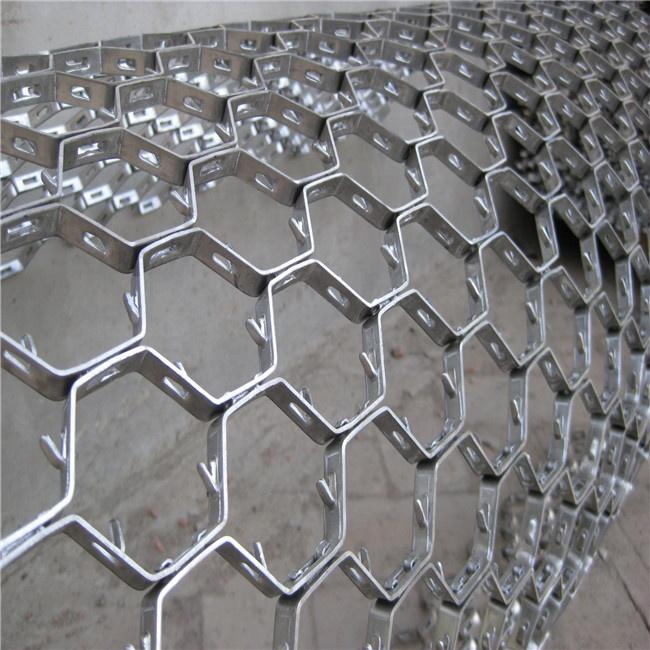
Coal-fired boiler coal conveying pipeline lined with carbon steel stainless steel tortoise shell mesh
Other Products


When high-temperature flue gas carrying sharp ash particles impacts the duct at a speed of 15 meters per second, ordinary steel can be worn through in just 3 years—this "invisible" battle inside the boiler directly determines whether a power plant can operate safely. The combination of high-temperature wear-resistant mortar and skeleton turtle mesh is rewriting the outcome of this offensive and defensive battle.
The Triple Threat of Duct Wear
Coal-fired boiler ducts endure a triple assault of physical scouring, chemical corrosion, and thermal stress tearing. The impact of fly ash particles is equivalent to millions of micro-cuttings per minute, while sulfur dioxide corrosion turns metal surfaces into brittle, crumbly biscuits. More critically, when 600°C high-temperature flue gas meets cold surfaces, acid dew forms and adheres to the pipe walls, creating a "corrosion-wear" cycle in combination with scouring. Data from a power plant shows that unprotected ducts can experience localized wear of up to 8mm per year.
The use of skeleton turtle mesh increases wear resistance to 5 times that of traditional pipe materials. Meanwhile, KNM1000 mortar builds a second line of defense at the microscopic level: the cured mortar lining contains silicon carbide particles, and wear tests show that under the same operating conditions, its wear rate is only one-third that of ordinary refractory castables.
The Three Waves of Evolution in Wear Protection Technology
Although first-generation ceramic patches offered excellent hardness, the problem of peeling caused by differences in thermal expansion coefficients plagued power plants. Second-generation thermal spray technology improved bonding strength but struggled with the complex curves of irregular pipe fittings. The current state-of-the-art gradient alloy pipe technology achieves atomic-level bonding between metal layers through laser cladding, with interfacial strength exceeding 400MPa. After implementation in a 660MW unit, the overhaul cycle for the economizer extended from 2 years to 6 years.
In critical areas such as duct elbows, the combination of wear-resistant turtle mesh and castables can reduce the impact angle of particles from 90° to below 30°. Numerical simulations show that this design reduces localized wear rates by 72%, equivalent to saving 3.2 tons of steel per year. Notably, KNM1000 mortar offers construction advantages—its 24-hour room-temperature curing特性 can shorten emergency repair timelines by 80%. Power plant cases show that duct repairs that previously took 72 hours can now be completed and operational in just 8 hours.
Considering China's coal power capacity of 1 billion kilowatts, widespread adoption of such technology could reduce annual steel replacement by an amount equivalent to the weight of three Eiffel Towers. This transformation, starting from the microstructure of materials, is becoming an invisible pillar of the low-carbon transition in the thermal power industry—during critical moments of renewable energy peak shaving, every additional day of operation for an older unit can buy the grid an extra 24 hours of buffer time.
From wear-resistant castables to the composite structure of skeleton turtle mesh, modern wear protection technology has moved beyond simple "thickening" strategies to instead construct gradient material systems that intelligently respond to wear. The next time you see steady white smoke rising from a power plant chimney, you might remember those turtle mesh skeletons steadfastly enduring thousand-degree flue gas.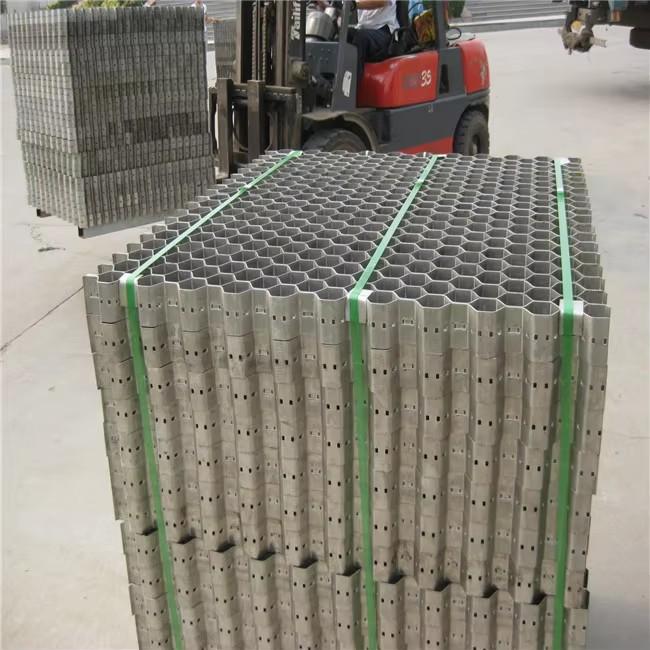
| Industry Category | Machinery & Equipment/Electric Heating Equipment/Medium Frequency Power Supplies |
|---|---|
| Product Category | |
| Brand: | 欧海 |
| Spec: | 1.5*25*50 |
| Stock: | 80800 |
| Manufacturer: | 欧海网业 |
| Origin: | 111311 |


